Surface finishing has transformed from a labour-intensive task into an engineering process driven by precision. The quality of the coating has a direct impact on durability, corrosion resistance and the perception of the product in today’s manufacturing environment. As global standards tighten and customers demand flawless coatings, a lot of facilities are turning to robotics for painting for greater control and consistency.
A modern paint machine brings structured motion and programmable accuracy to the applications that previously relied on operator technique. Manufacturers remove inconsistencies, such as unbalanced film production or excess usage of material by automating the spray path, speed and angles for application. This method of coating is predictable, which supports First Time Quality, and minimizes the need for rework.
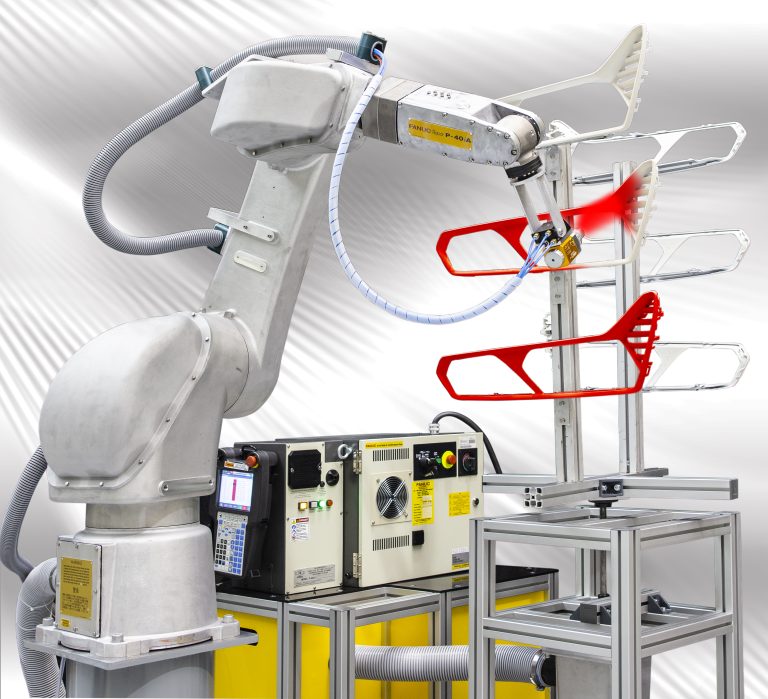
Image credit: automatedsolutions.com.au
Efficiency, consistency and tangible gains
Due to fatigue or even small variations in technique, manual painting can lead to changes in thickness and coverage. Paint robots eliminate this variance by using the exact motion patterns throughout every cycle of production. This level is repeatability ensures a consistent surface finish on all parts as well as an optimized distribution of material.
Advanced paint systems for robotics also improve efficiency of transfer. Overspray can be minimized by maintaining a precise distance between the applicator and the component. This allows more paint to be applied to the desired surface. A lower amount of material waste directly affects costs, while reducing volatile organic compound emissions support green initiatives.
Paint robotics that integrates fluid handling ensures exact mixing ratios when coatings are mixed made of multiple components. This eliminates inconsistencies that can compromise finish integrity. By combining stable flow control with adjustable parameters, manufacturers can adjust atomisation and spray patterns settings in real-time.
Productivity and Safer Working Environments
The improved uptime is a major benefit of using the paint robotic system. Contrary to manual procedures, robotic paint cells work continuously and have little interruption. After they are programmed the paint cells provide a consistent output without needing breaks or continuous surveillance.
It is important to consider safety in any facility that utilizes bi-component solvents or solvent-based coatings. If you are dealing with flammable or explosive substances, atomised coatings can cause dangerous environments. Modern paint robots are made to operate safely in the most hazardous conditions. They reduce risk of exposure for workers to hazardous substances, and enhance safety at work.
The technology of conveyor tracking boosts productivity further through the robot-controlled painting of parts while they are moving. This technology expands the working envelope and keeps the production lines in good working order.
Australian Automation Expertise Supporting Industry
It is crucial that companies are able to access automation partners who have years of experience. In Australia, Automated Solutions has established a solid reputation for providing advanced robotic integration services. With extensive knowledge in automation engineering, the team works as certified FANUC robot integrators, helping businesses implement tailored robotic paint solutions that align with their operational goals.
Automated Solutions helps manufacturers evaluate their processes, and design robotic paint cells that combine technological expertise and industry knowledge. By combining collaborative planning with simulations and system integration, facilities can understand the anticipated performance improvements prior to implementing.
Implementing paint robotics is not solely about automation. It is about measurable improvements in quality as well as safety and efficiency. A well-engineered system for painting transforms surface finishing into a controlled consistent, cost-effective, and repeatable operation. The assistance of experts in automation can help manufacturers to improve their efficiency and competitiveness, as well as ensure sustainable growth in a competitive market.