The modern industries are going through a transition where speed, efficiency and flexibility are no longer options; they are mandatory. The outdated infrastructure, which is expensive and difficult to modify can’t meet the growing demand for real-time analytics and distributed operations. ScalerPi brings a new view on the subject through the combination of edge-computing and practical engineering. This allows for solutions that can scale.
This development is centered around industrial automation, which is made possible by Raspberry Pi. It allows organizations to change the way they build and run their systems. Companies can install powerful light devices right at the point of data, instead of relying solely on centralized, heavy hardware. This approach reduces latency and empowers teams with the ability to react immediately to the changing environment.
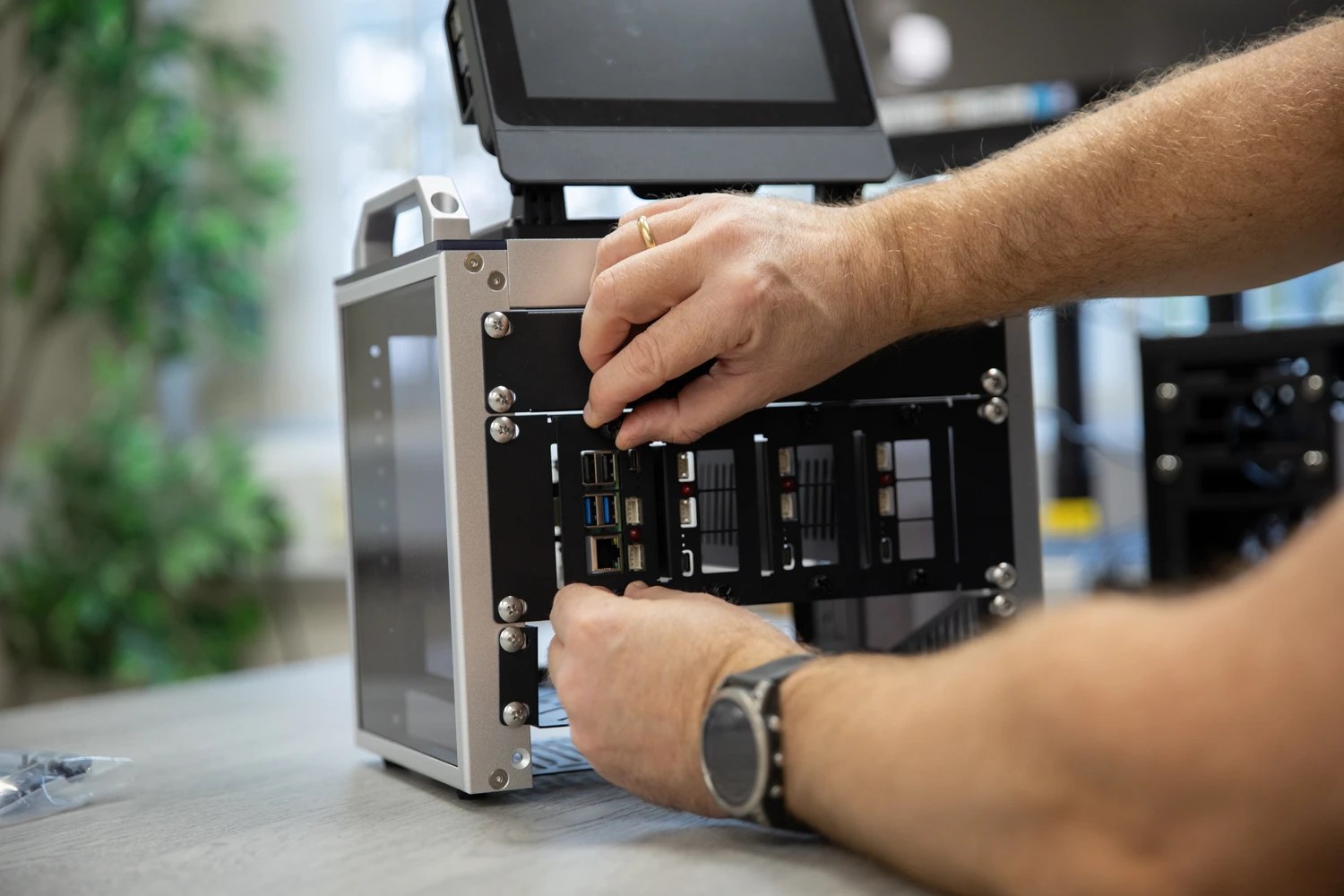
Transforming Data into Action at the Edge
The most significant benefit of edge computing is the ability to handle data locally. In a lot of industrial settings waiting for cloud-based systems to respond isn’t feasible. ScalerPi can provide an infrastructure that is not dependent, but is still able to integrate with other systems if needed.
An essential component of this setup is the industrial Raspberry Pi IOT gateway, which acts as the central connection point between devices and applications. It allows seamless communication among sensors, software and machinery platforms. It’s possible for you to monitor the operation in real-time, spot problems in the early stages and maintain a consistent flow across many sites.
This capability can be transformative for industries such as logistics and environmental monitoring. Systems can continue functioning even in low- or no-connectivity regions, which means that operations are in full swing and data is always accessible.
Compact Power for Demanding Environments
In the field of industrial computing, balancing performance and practicality is one of the toughest tasks. Large servers can provide energy, but they usually have high prices in energy usage, as well as the inability to change. ScalerPi solves this issue with an industrial Raspberry Pi server that provide high-quality computing in a low-energy and compact size.
These servers are ideal in environments that have limited space and power. They can be employed in a retail or factory outlet, as well as a remote monitoring station. The modular nature of these systems also allows businesses to expand their systems in a gradual manner, aligning the growth to actual requirements.
The tiny industrial Raspberry Pi server module offers more versatility. These servers, built for extreme conditions, come with durability and advanced processing abilities. These servers are ideal for applications that require continuous operation like smart cities or industrial automation systems.
Containerized deployment gives flexibility
Modern infrastructures require flexibility, and containerization can help. ScalerPi incorporates industrial Raspberry pi docker environments to provide the flexibility and effectiveness of managing applications. With Docker businesses can easily deploy updates, upgrade, and scale applications swiftly, without disrupting current operations.
This approach simplifies the development process and ensures uniformity across different deployments. Applications can be tested in a single environment and easily transferred to another one, minimizing the possibility of mistakes and increasing overall reliability. This type of control could be invaluable for organizations that have multiple sites.
Containerization also facilitates innovation. Teams can test and experiment with new capabilities without having to alter existing systems.
Practical Solutions to Multiple Sectors
The strength of ScalerPi lies in its ability in adjusting to various industries. Industrial automation with Raspberry Pi is a great way to boost productivity and cut the amount of time spent in manufacturing. Machines can communicate and exchange data, forming an intelligent and connected manufacturing environment.
In agriculture, edge technology assist in smarter farming methods. Sensors monitor the conditions of soil, weather patterns and crop health. This allows farmers to make informed decisions that will increase yields and help conserve resources.
The hospitality and retail sectors get real-time information on the behavior of customers. Businesses can enhance customer experience by optimizing their processes. This can include digital signage, as well as queue management. In the meantime, projects in the public sector such as smart cities rely on edge infrastructure for tasks like monitoring environmental quality and asset tracking.
Bridge Hardware and Cloud Confidently
ScalerPi is unique in its ability to connect physical devices, and cloud-based system. It creates a single platform that combines hardware expertise with modern cloud practices.
This way of working ensures that businesses can scale easily and without difficulty. The infrastructure is easily manageable, cost-effective and secure no matter if you start with a small deployment, or expand to thousands of devices. Modular design and transparent pricing further simplify the process which allows organizations to concentrate on innovation rather than operational challenges.
Industrial Technology for the Future
As the world of work continues to change with rapid pace, the need for flexible and efficient infrastructures will grow. ScalerPi provides a solution that meets these demands by using the power of edge computing with the versatility of Raspberry Pi technology.
Each part, which includes industrial Raspberry Pi Servers, advanced IoT gateways and containerized software is built to be scalable and useful. This infrastructure is not just able to meet the demands of today’s businesses however, it also prepares for the future challenges.